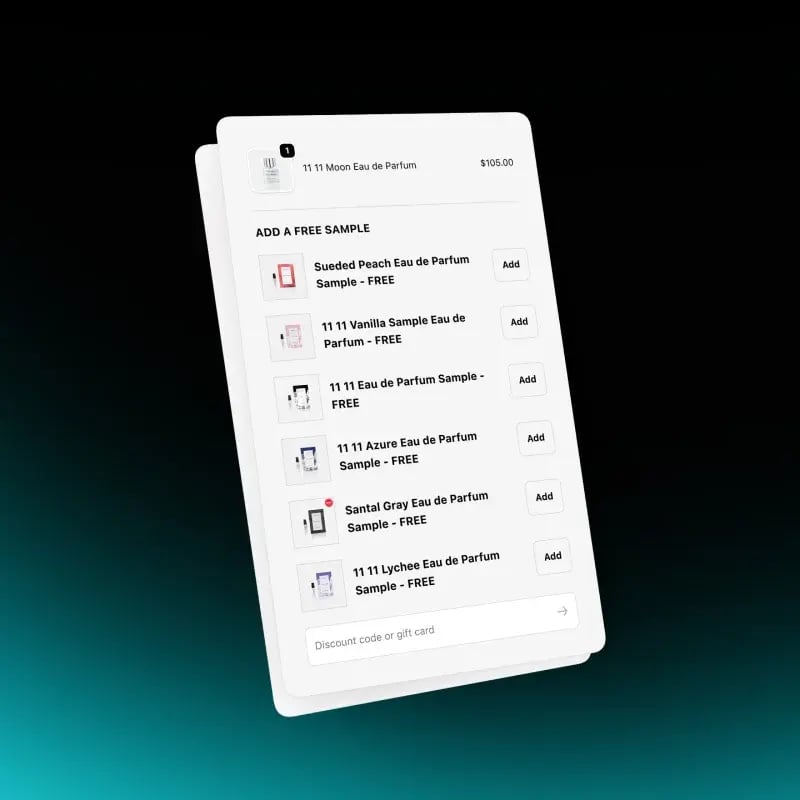
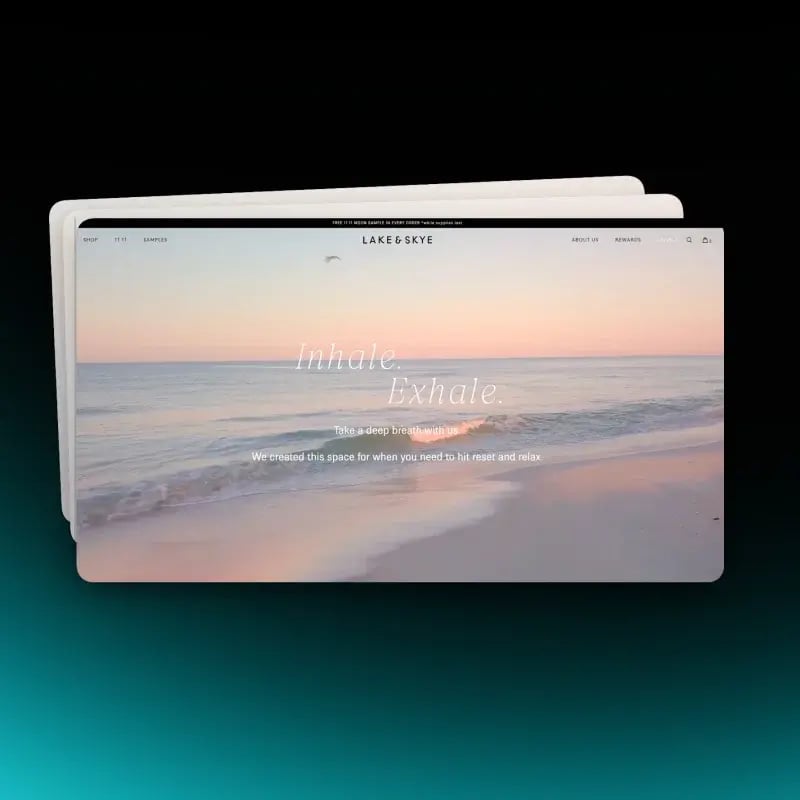
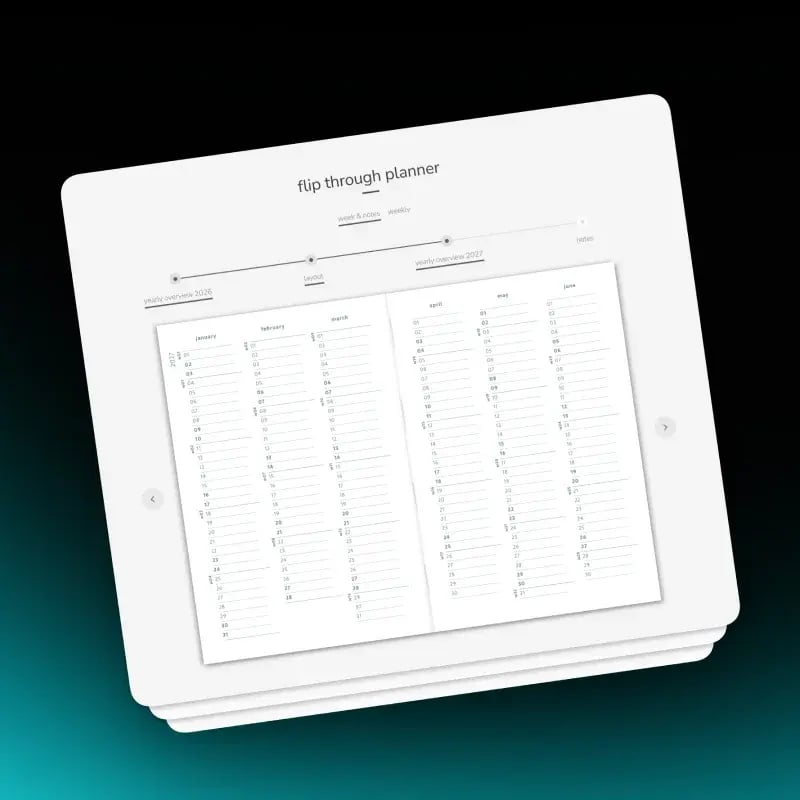
Free Samples on Checkout with Order Guard
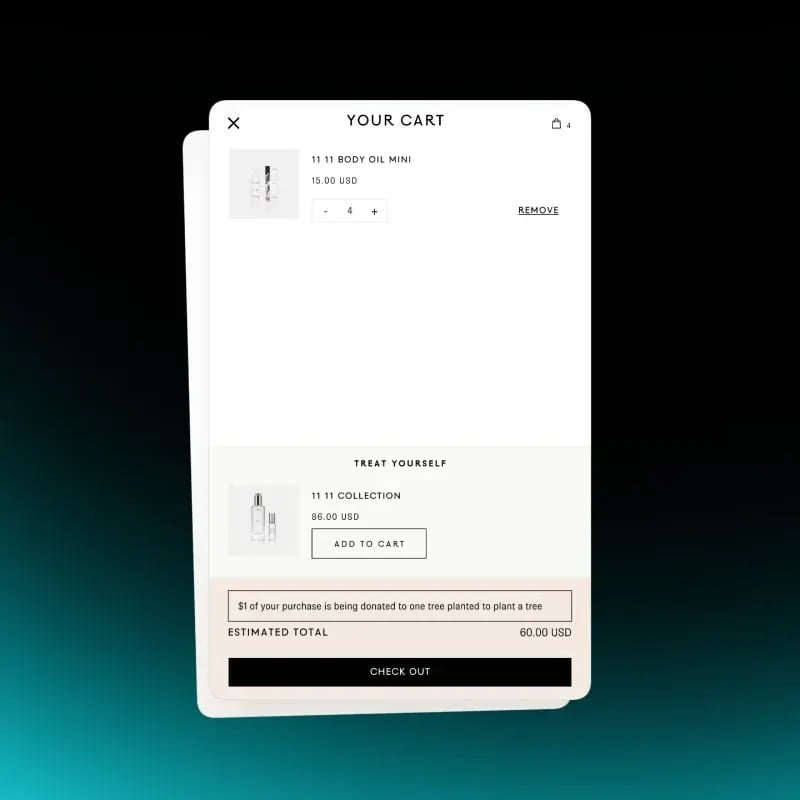
The Problem The free samples block previously lived inside the cart drawer and took up a lot of space. It competed with the main cart ...
35 implementations from real production projects.
The Problem The free samples block previously lived inside the cart drawer and took up a lot of space. It competed with the main cart ...
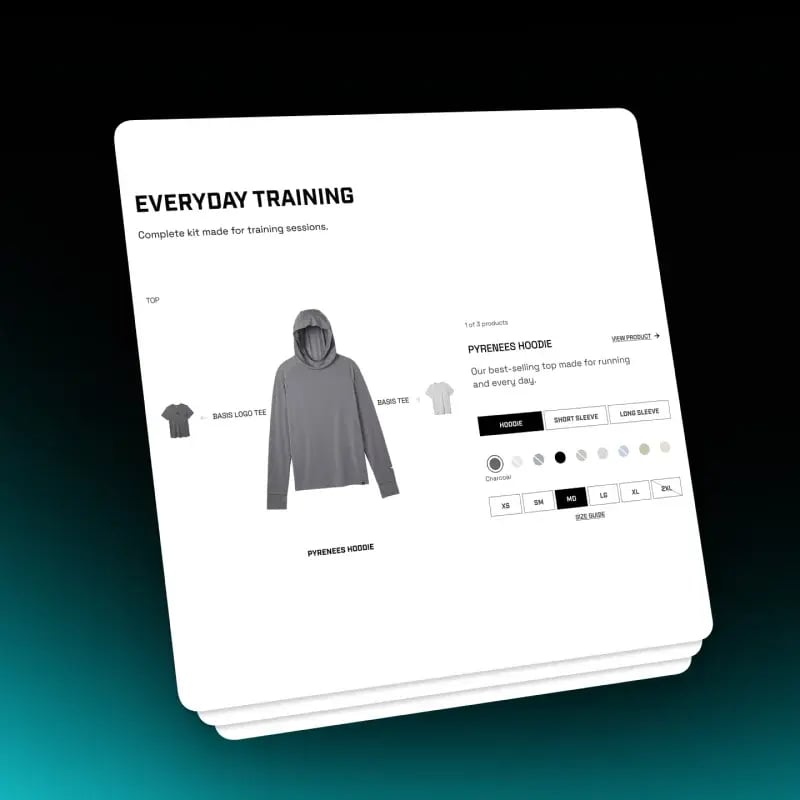
The Problem The store had no bundle or kit functionality. Customers who wanted to buy multiple complementary products had to browse the ...
The Problem The cart drawer could only show a simple, static upsell list. Every customer saw the same suggestions regardless of how much ...
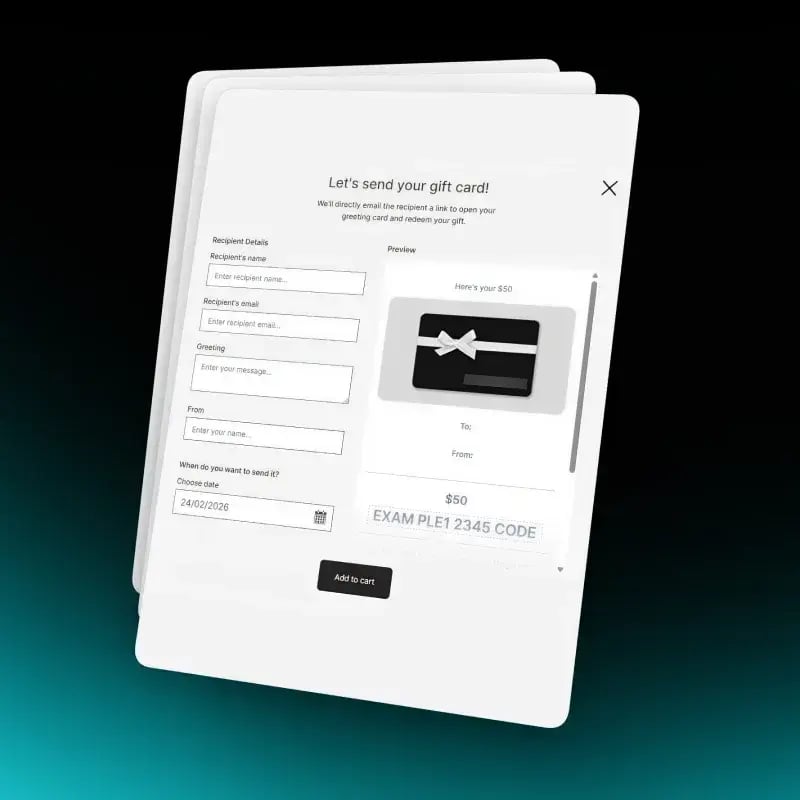
The Problem Customers who wanted to give one of the store's products as a gift had no simple, structured way to do it online. They had to ...
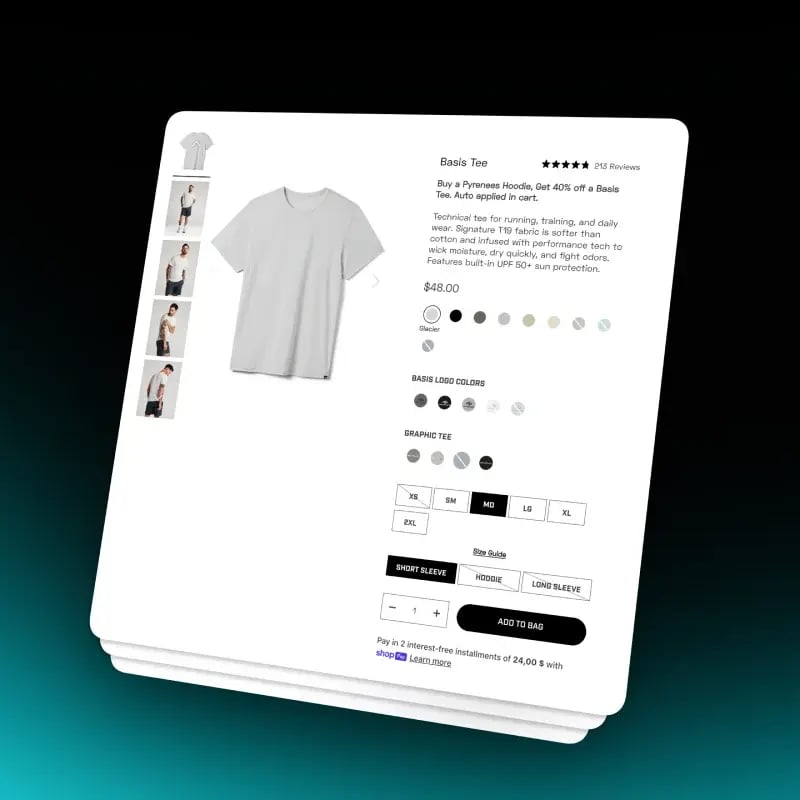
The Problem The brand had multiple T-shirt products that differed only by visual design: a Basic Tee in solid colors, a Logo Tee with ...
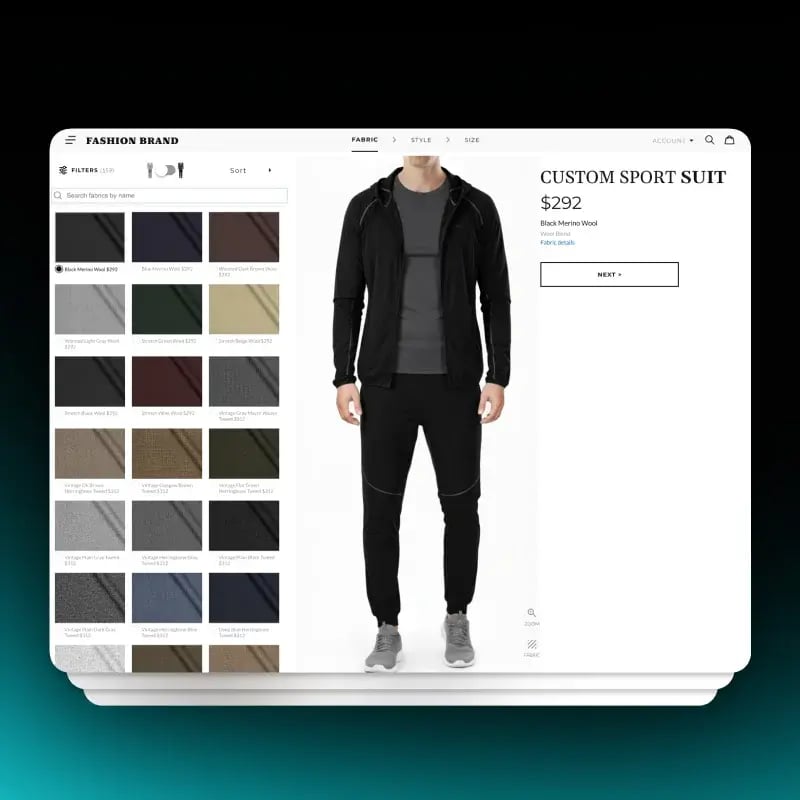
The Problem Product pages with many options felt overwhelming. Customers had to choose fabric, style details, and size from a long list of ...
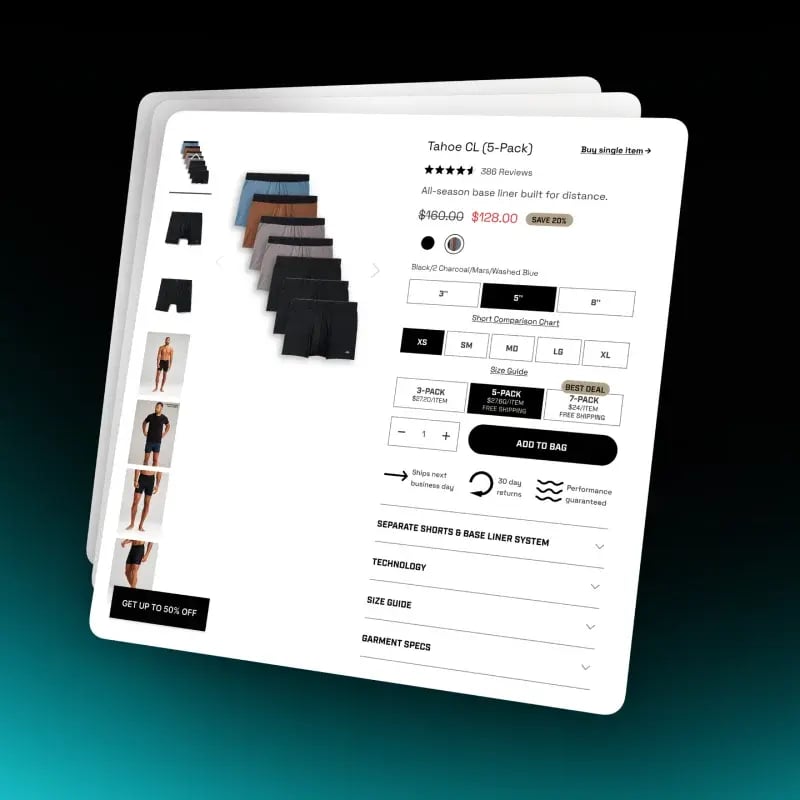
The Problem The brand wanted to increase sales by introducing multi-pack products: a 3-pack, 5-pack, and 7-pack. But these packs needed ...
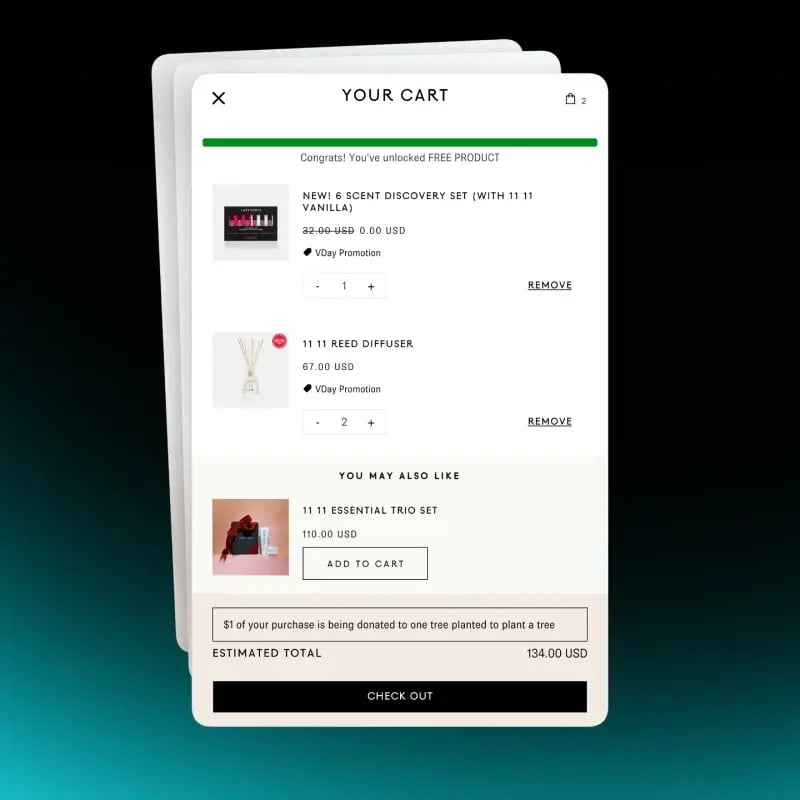
The Problem The store didn't previously run structured "gift with purchase" or "purchase with purchase" promotions. As a result, customers ...
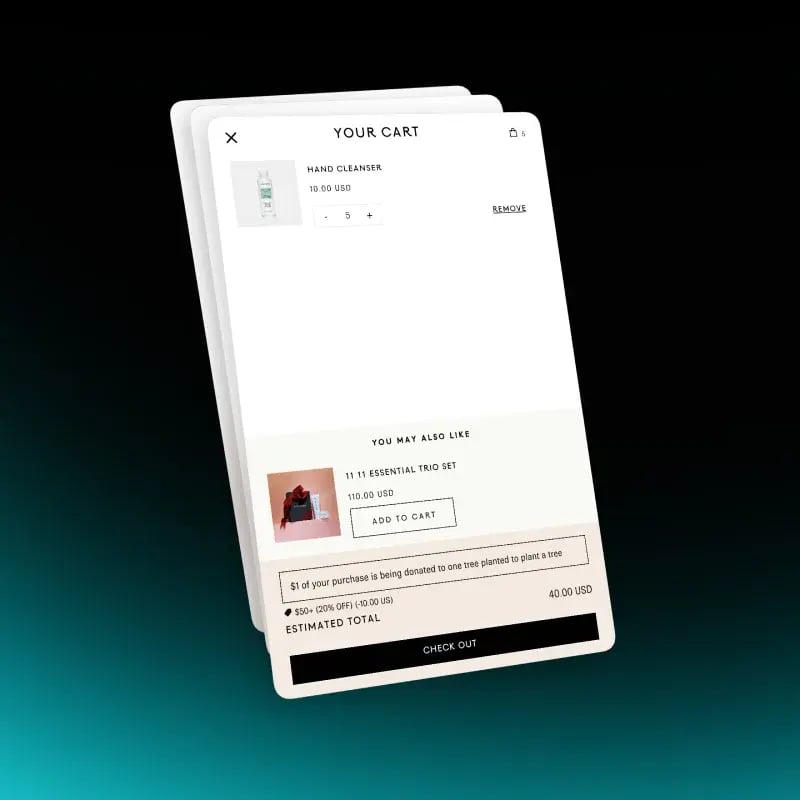
The Problem The store only had straightforward discount options available. There was no flexible "spend more, save more" experience that ...
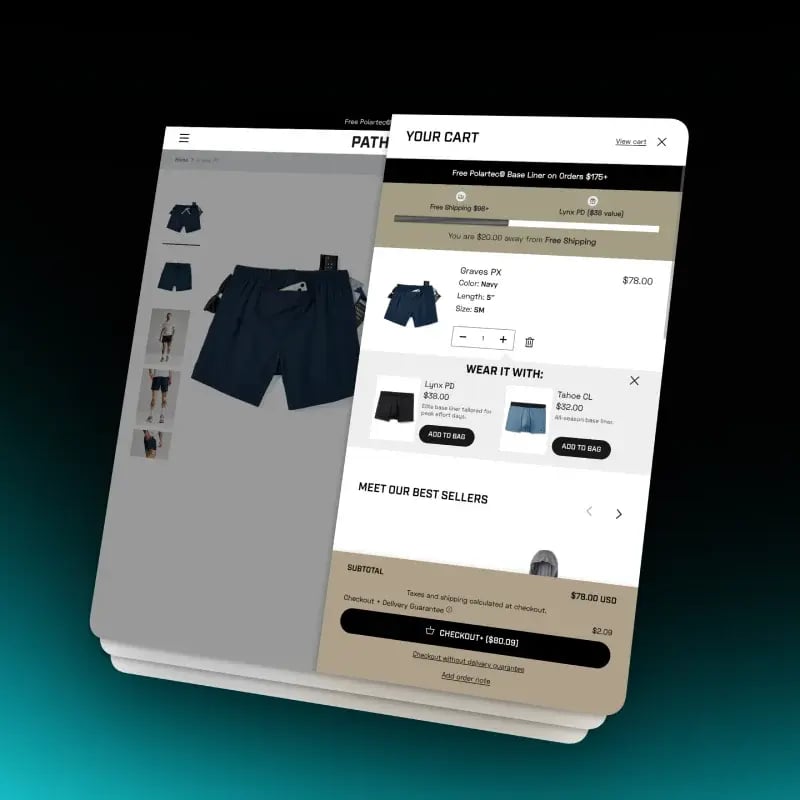
The Problem Several products in the catalog naturally complemented each other, running shorts and base liners, for example, but customers ...
The Problem Typography across the site was inconsistent and didn't fully reflect the brand's visual identity. Mixed fonts and unclear ...
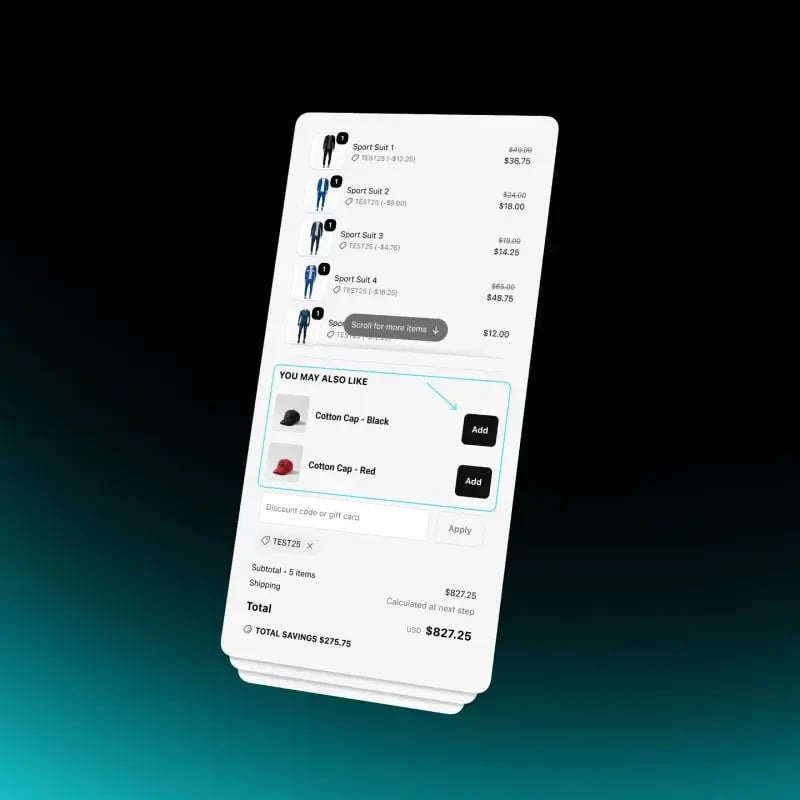
The Problem Once customers arrived at the one-page checkout, they only saw the items already in their order. There was no lightweight way ...
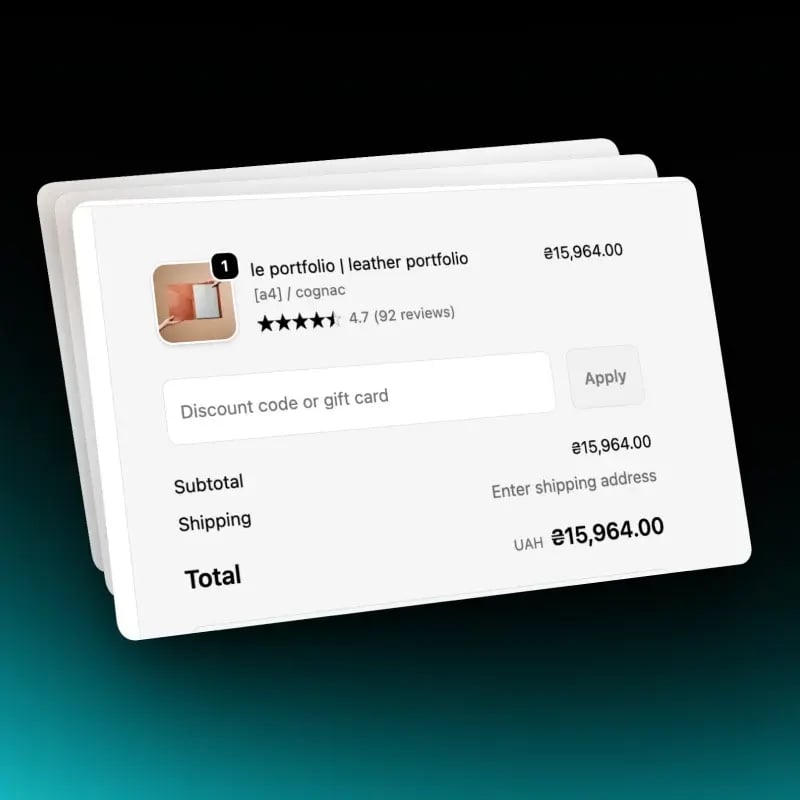
The Problem At checkout, there was no direct display of product ratings, even though the business already collected and synced reviews ...
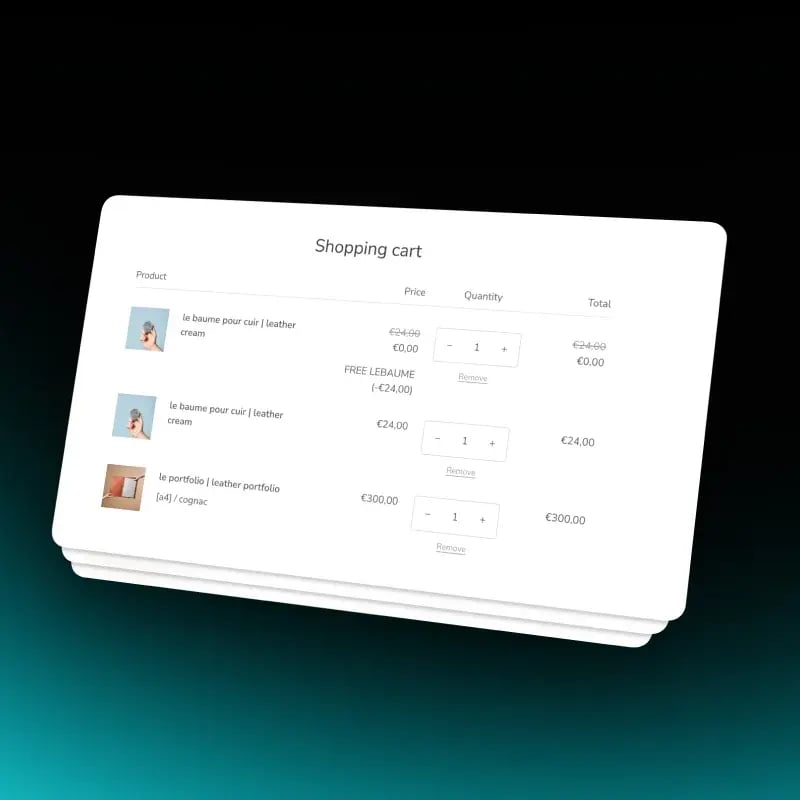
The Problem The promotion 'buy a qualifying portfolio, get leather cream for free' previously required manual configuration or script ...
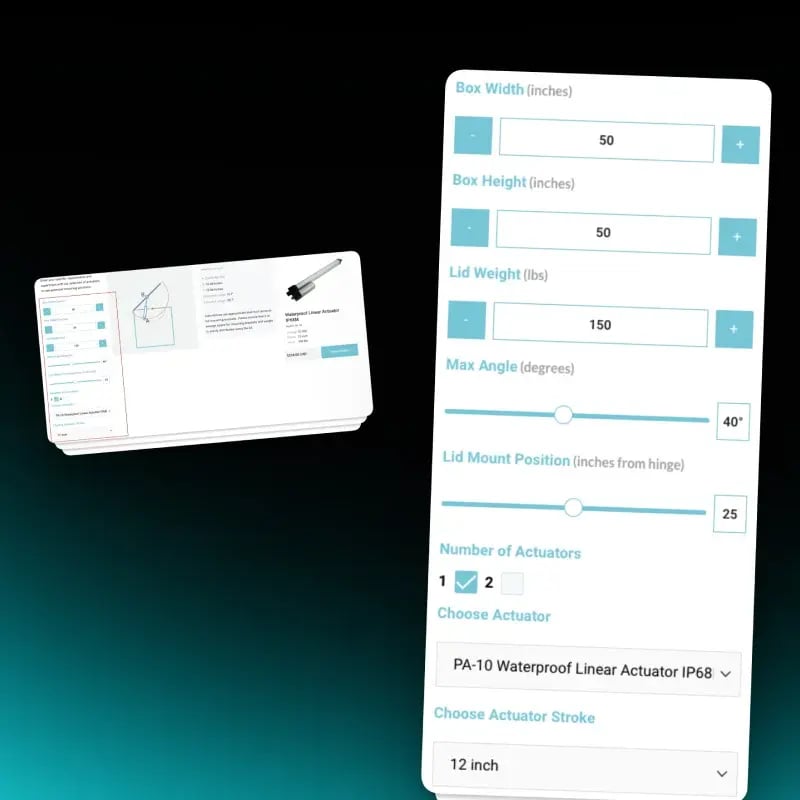
The Problem Customers often struggled to translate their mechanical setup: load weight, geometry, mounting points, opening angle, and ...
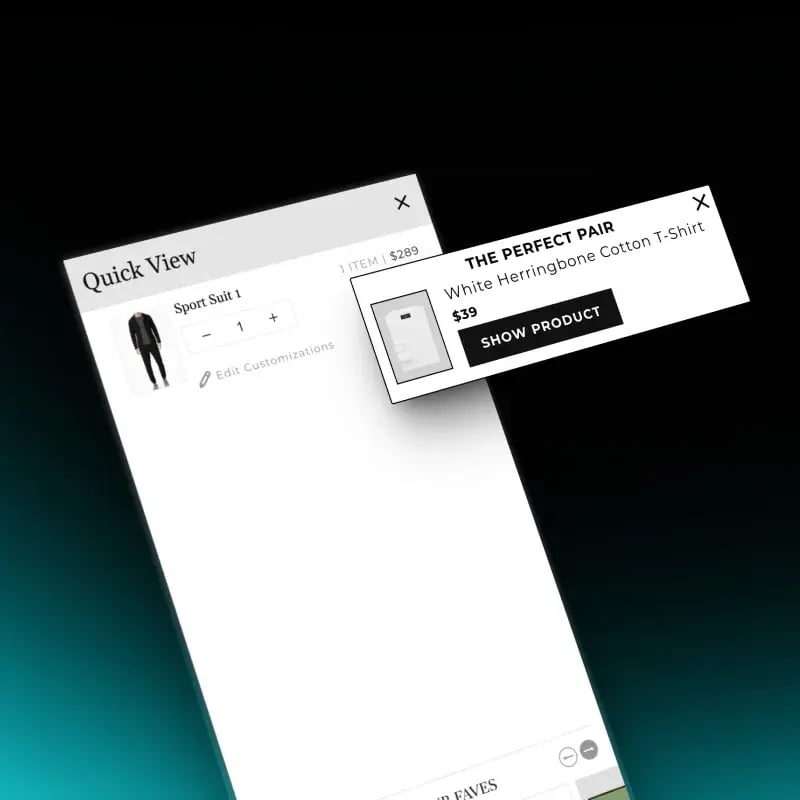
The Problem After adding a tailored suit or jacket to the cart, customers weren't clearly prompted to add a shirt that would complete the ...
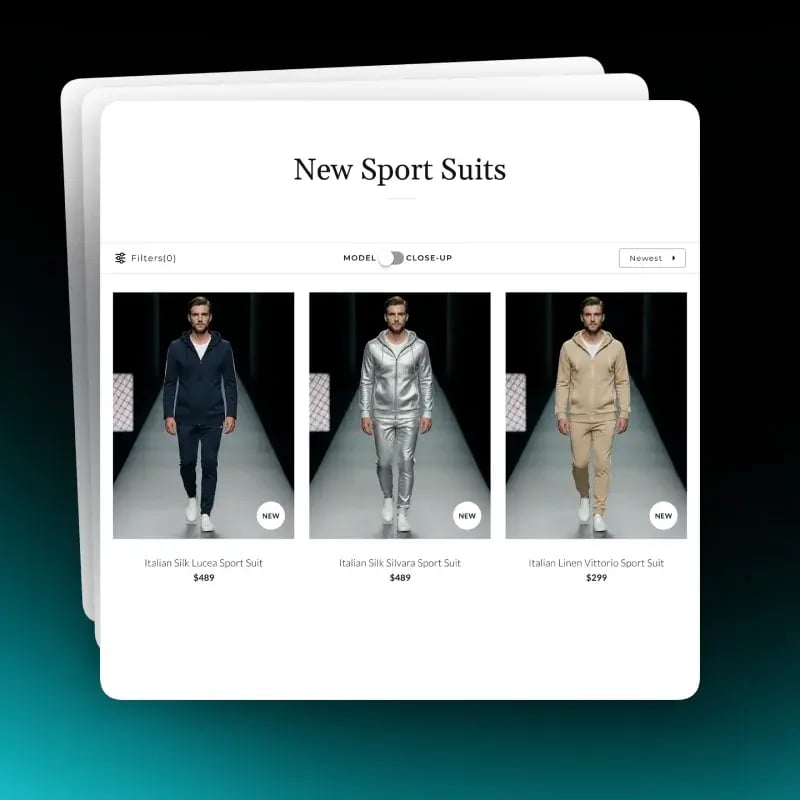
The Problem On the collection page, each product card could only show one type of image by default. Some customers prefer to see the suit ...
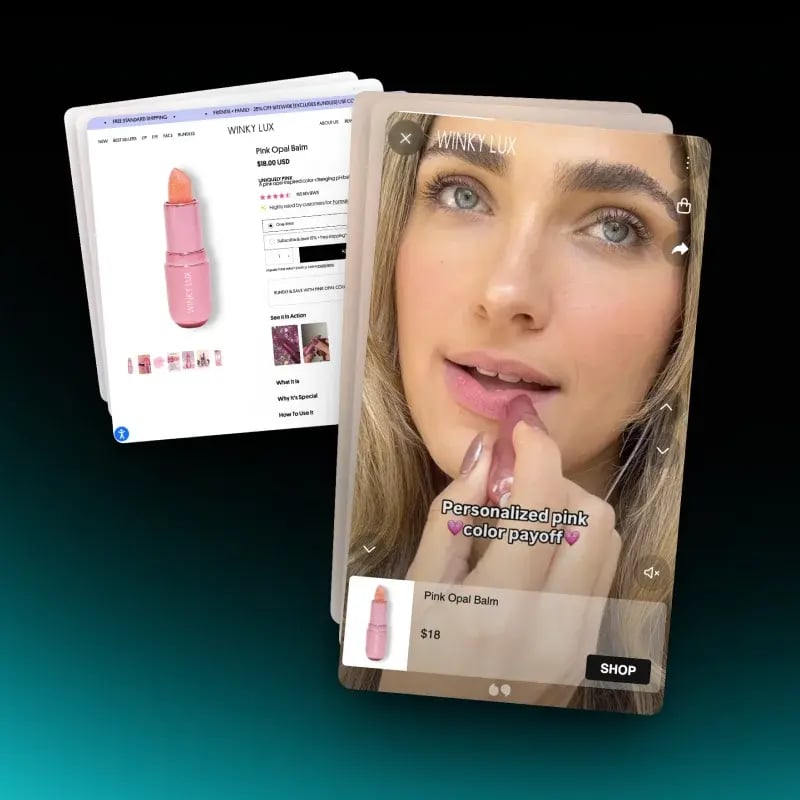
The Problem Product pages lacked engaging, real-life content showing how products look and perform in use. Static images and descriptions ...
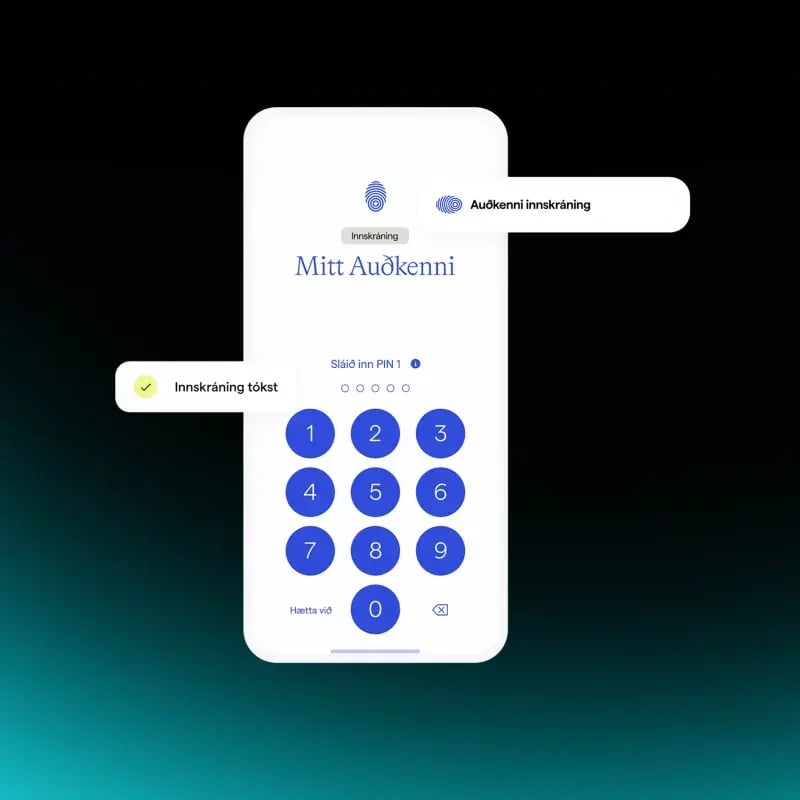
The Problem Alcohol sales in Iceland are legally restricted to customers aged 20 and over. The original Shopify flow: email + password with ...
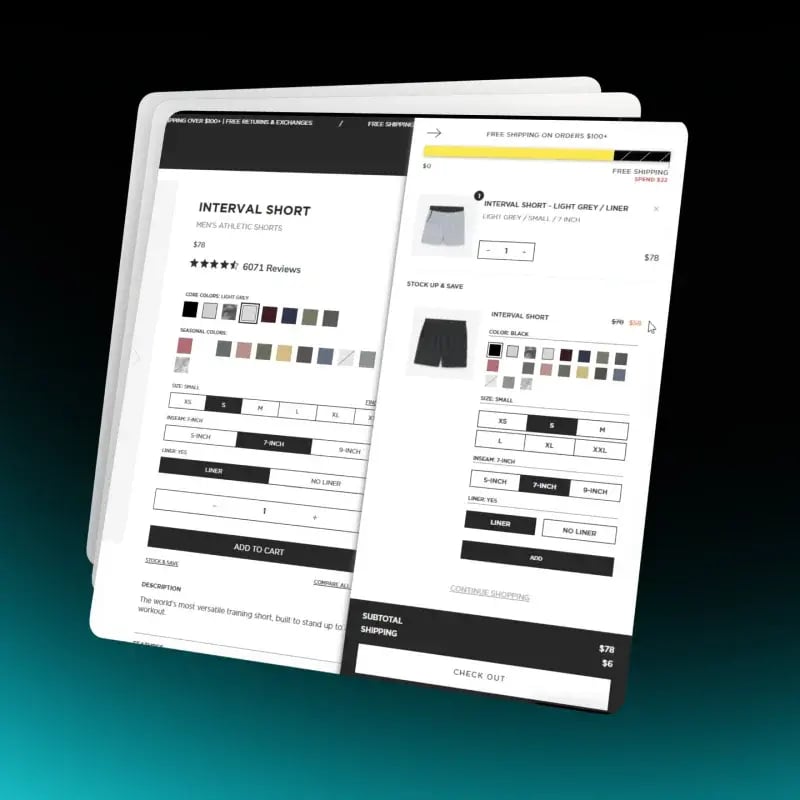
The Problem The "Stock Up & Save" upsell behaved inconsistently and created a fragile cart experience. In some cases, the extra pair of ...
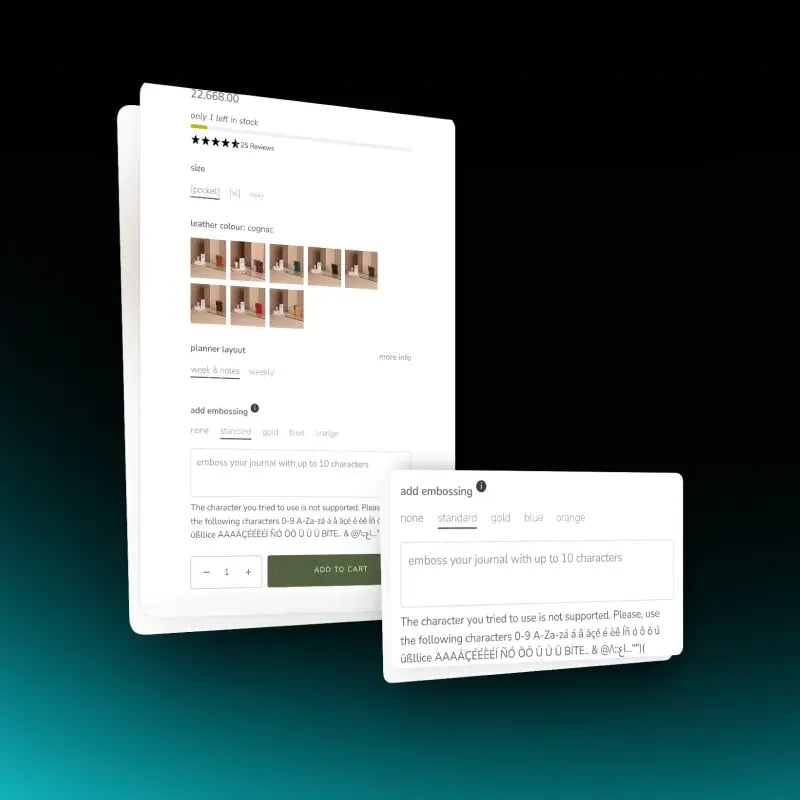
The Problem Embossing needed to be clearly linked to a specific main product and represented as a separate line for operational handling, ...
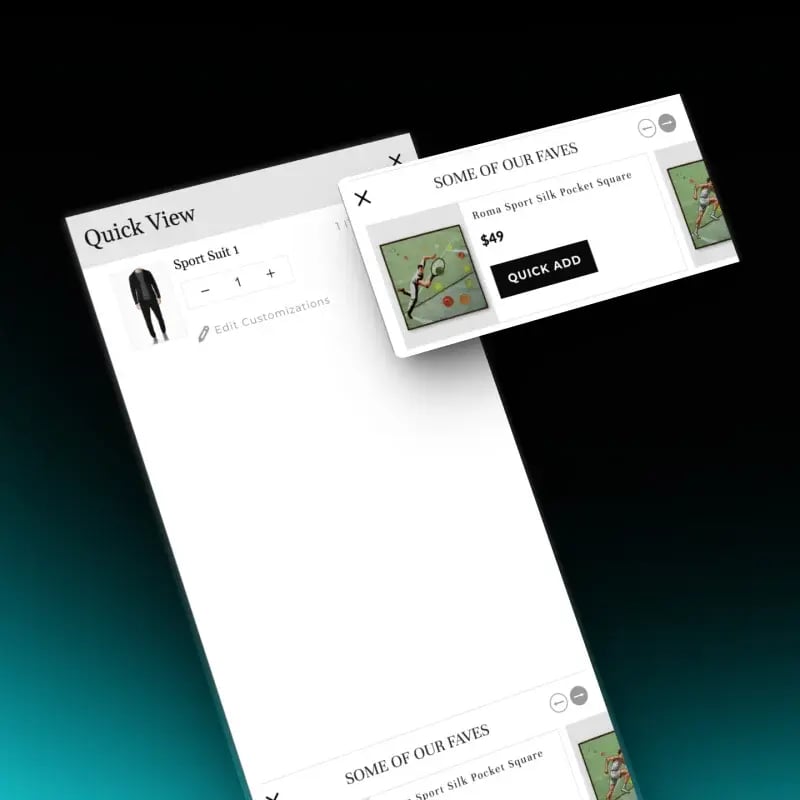
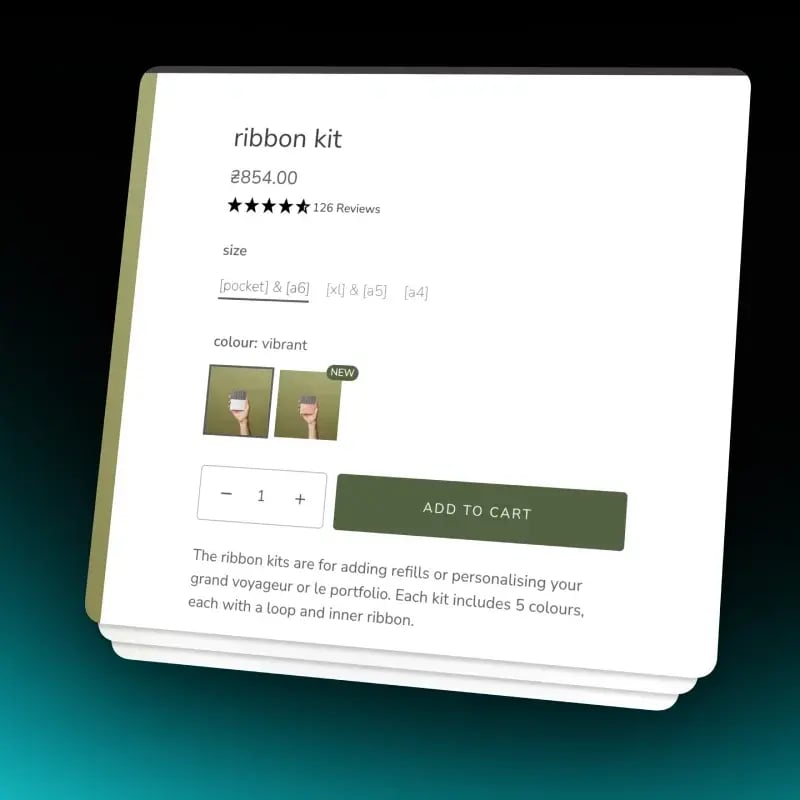
The Problem After adding a main product to the cart, customers weren't clearly prompted with simple, compatible accessories. If they wanted ...
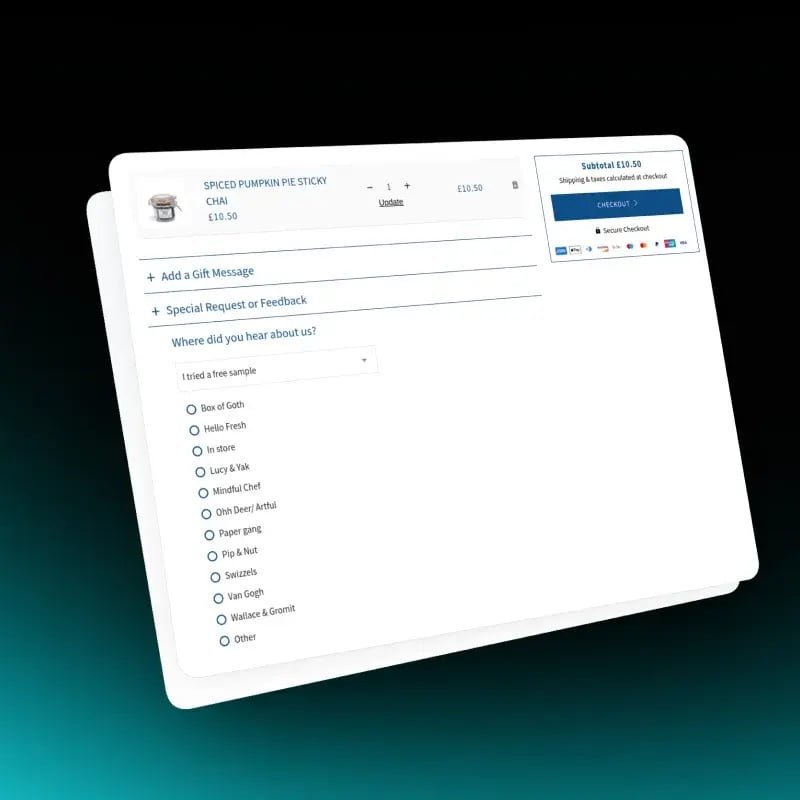
The Problem The site originally used a simple free-text "Where did you hear about us?" field, which produced messy, inconsistent data that ...
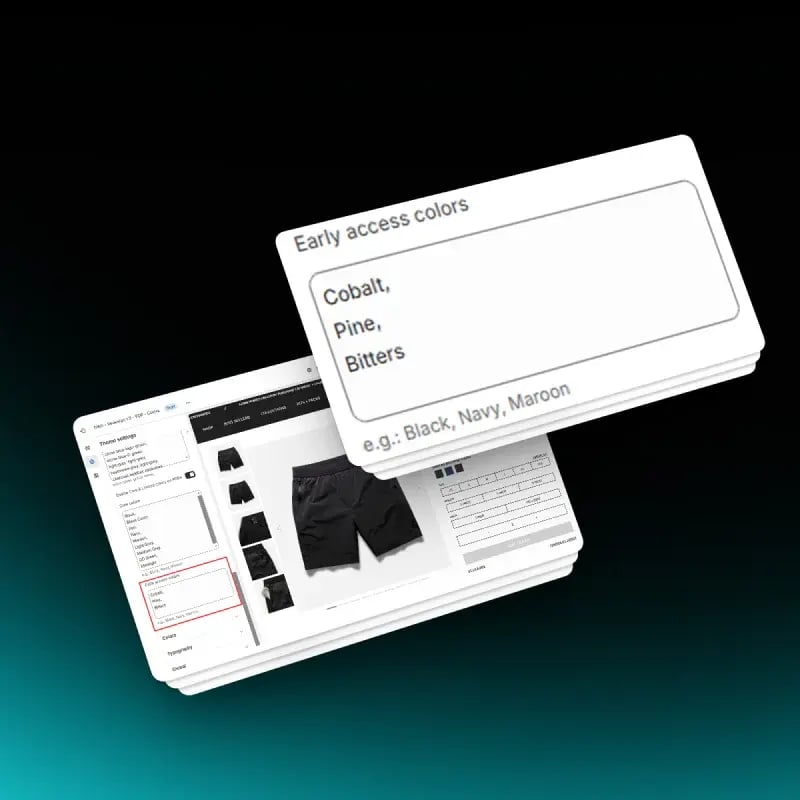
The Problem The brand was rolling out many new colors for core products and wanted to surface them as early-access options. But showing all ...
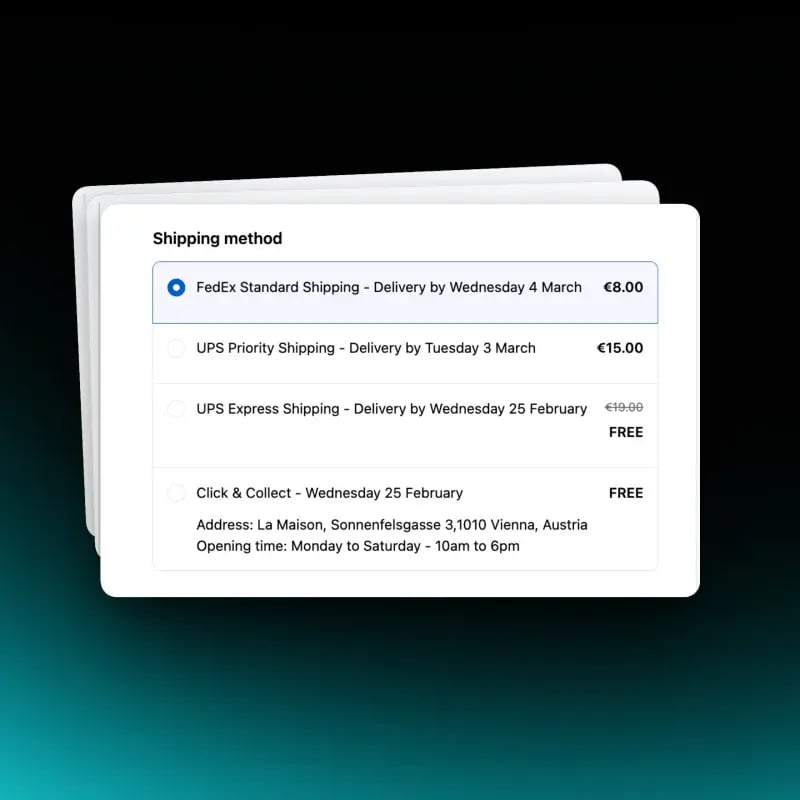
The Problem Shipping times vary by country and method, but standard Shopify didn't allow flexible, data-driven display of precise delivery ...
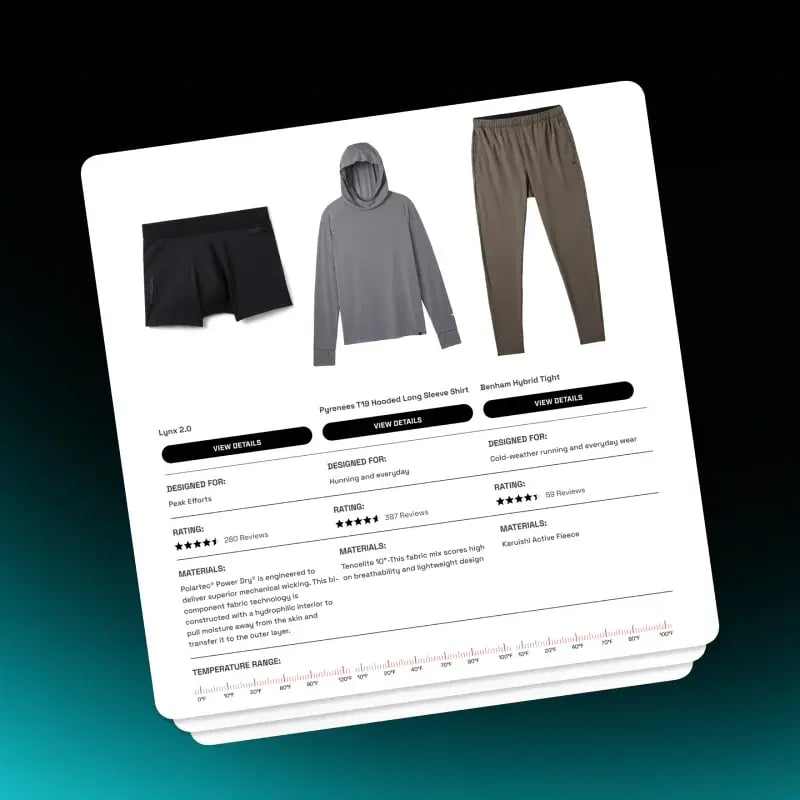
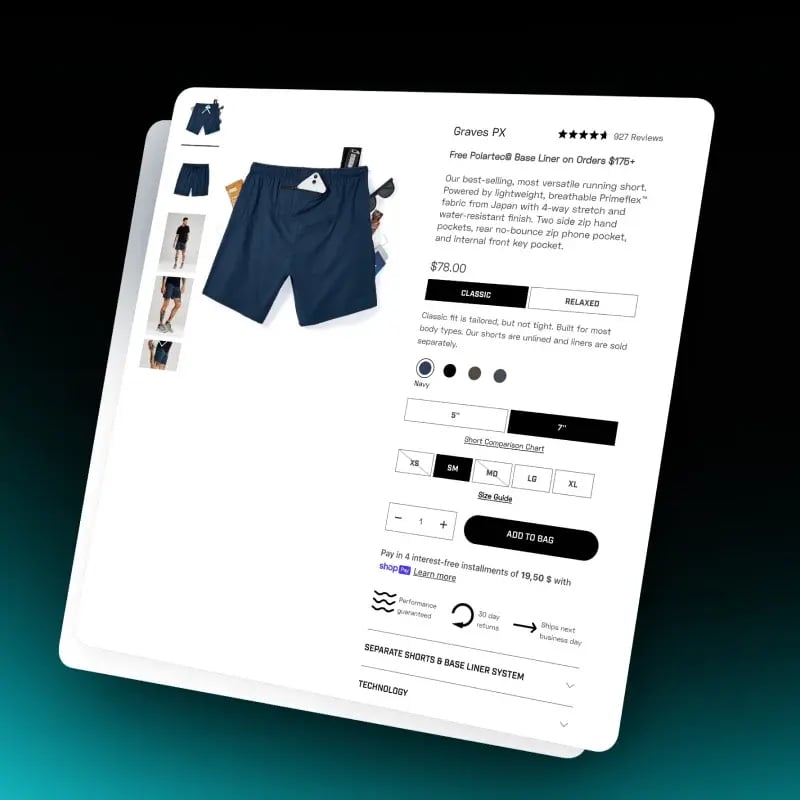
The Problem Customers needed a clearer way to understand the differences between similar products, for example, different types of shorts. ...
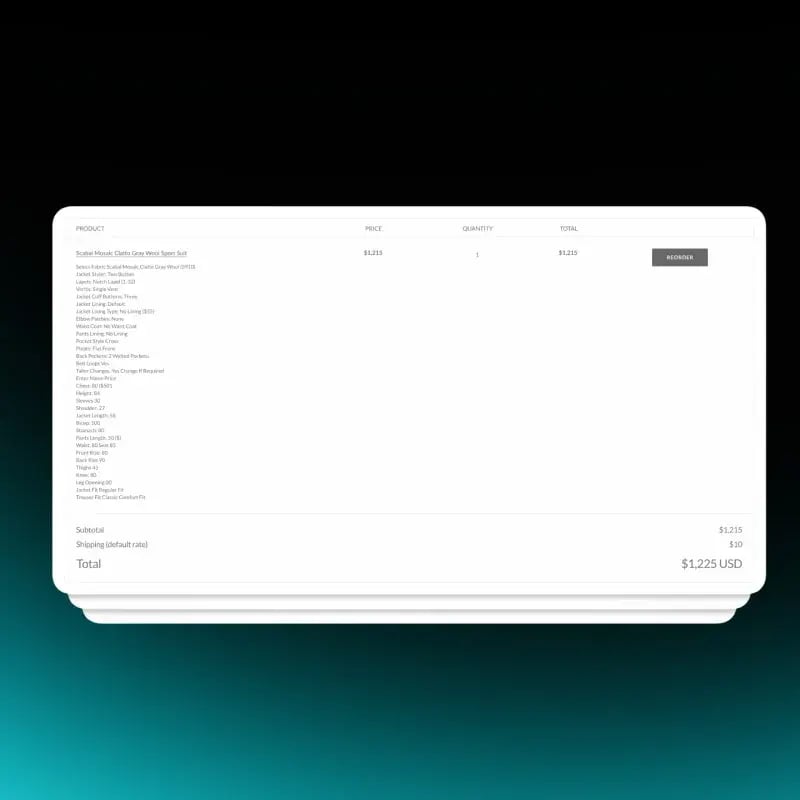
The Problem Loyal customers who liked a previous order had to manually find the same product and reconfigure all options and measurements ...
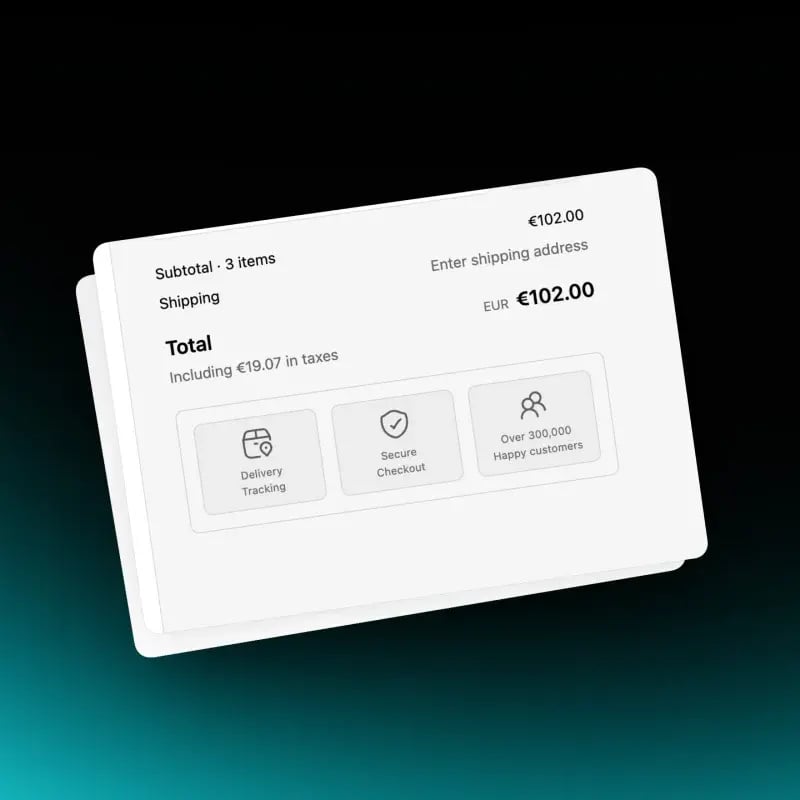
The Problem At checkout, there was no structured, visual way to reassure customers about trust, security, and reliability. The technical ...
The Problem Shopify natively supports only up to three variant options per product. To introduce a fourth level in this case, structural ...
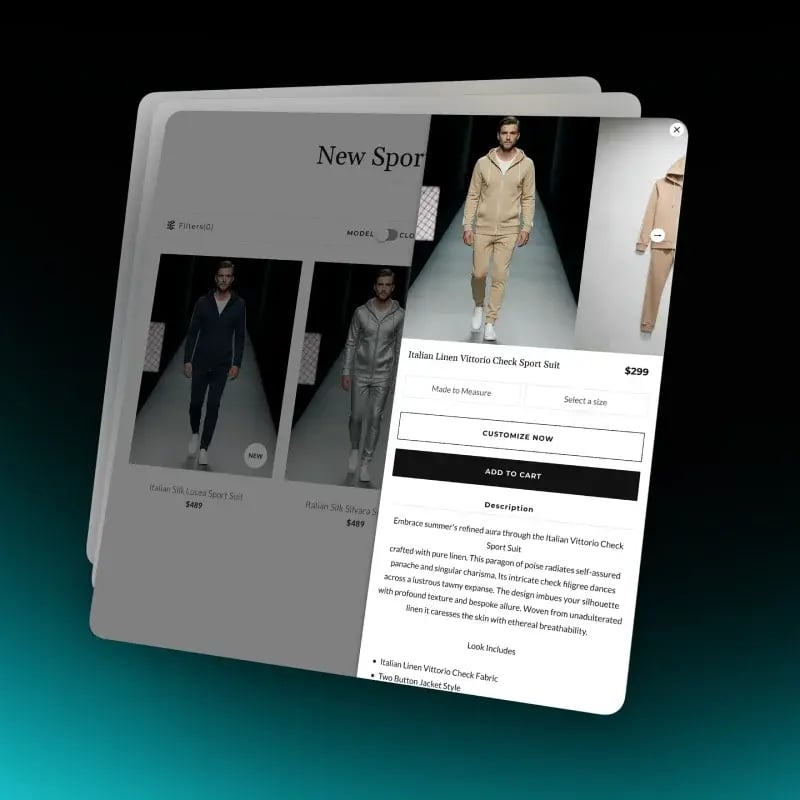
The Problem On the collection page, the only way to buy was to click through to the PDP, scroll through all the details and customization ...
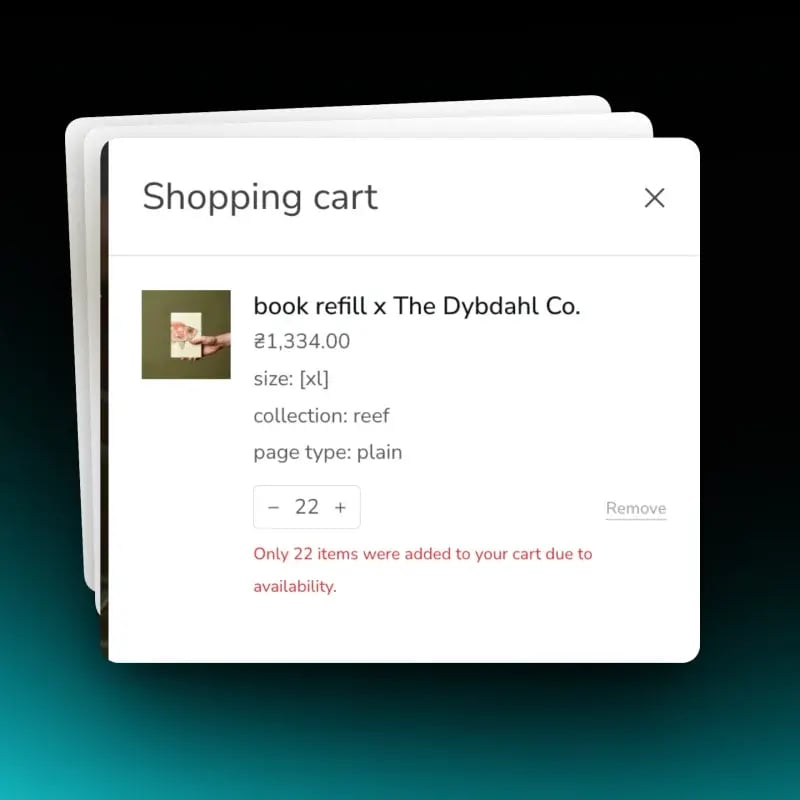
The Problem The limit configured in Shopify Checkout settings was only enforced at the checkout step. On the cart step, a customer could ...
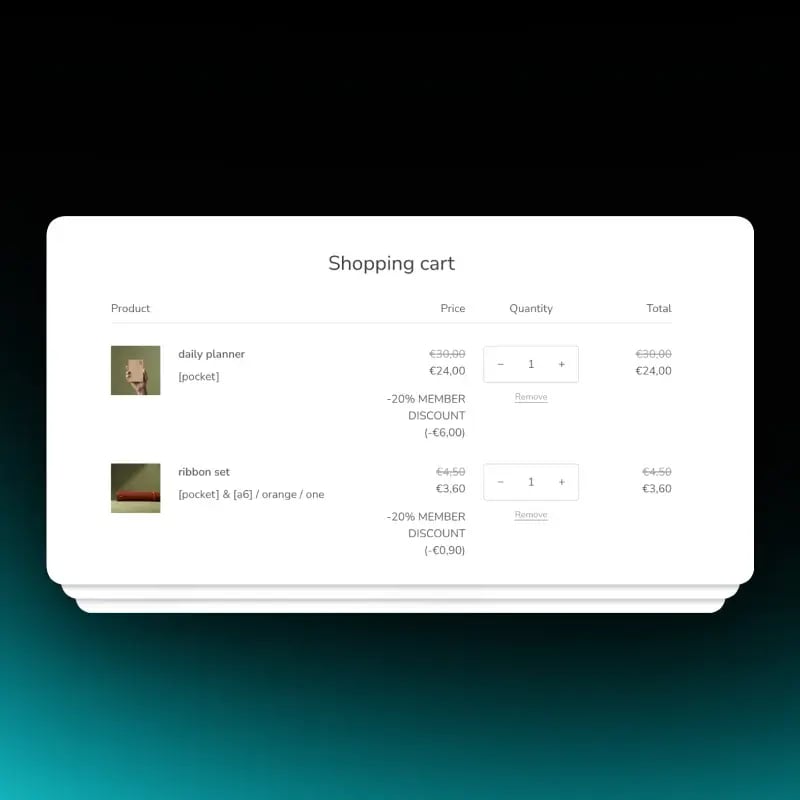
The Problem Legacy discount logic via Shopify Scripts conflicted with the new Shopify Functions-based checkout after migration, making ...
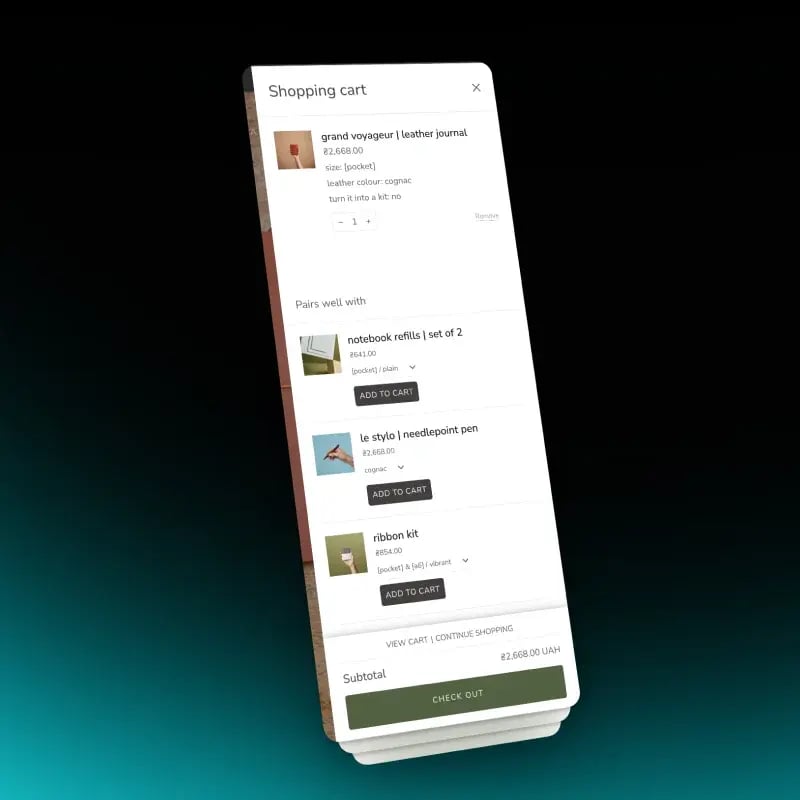
The Problem Customers already had items in their cart: journals, bundles, refills, accessories, but there was no intelligent way to suggest ...
The Problem The store could only highlight products at the product level, not at the individual variant level. When a new or special ...
The Problem Customers could see only static product images and descriptions, which didn't always clearly convey the internal layout of ...
Fill in your details to view all features and implementations.